In short
- A commercial cleaner looks after non-clinical areas and surfaces. Instrument reprocessing and clinical waste stay with your team and licensed providers.
- High-touch points in waiting rooms and bathrooms need attention every clean.
- Your practice's infection-control policy should be written into the cleaning plan.
Clinical and non-clinical cleaning are different jobs
Reprocessing instruments, cleaning procedure areas between patients and handling clinical waste are part of your practice's infection-prevention work, carried out by trained staff and licensed providers. A commercial cleaner handles the rest of the building: floors, bathrooms, waiting rooms, staff areas and the non-clinical surfaces agreed in the plan.
The national reference is the NHMRC's Australian Guidelines for the Prevention and Control of Infection in Healthcare. They describe routine cleaning as cleaning with detergent and water, then rinsing and drying, and they say routine environmental cleaning should happen daily and whenever surfaces are visibly dirty.
Waiting rooms and reception
- Chair arms and seats, especially vinyl that patients touch.
- The reception counter, payment terminals and pens.
- Door handles, push plates and light switches.
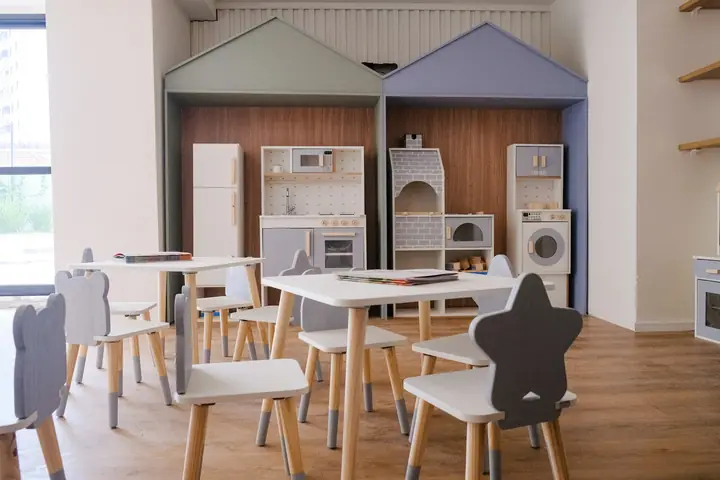
- Children's play areas, following your policy on toys.
- Floors, the entry mat and glass at the entrance.
Consult and treatment rooms
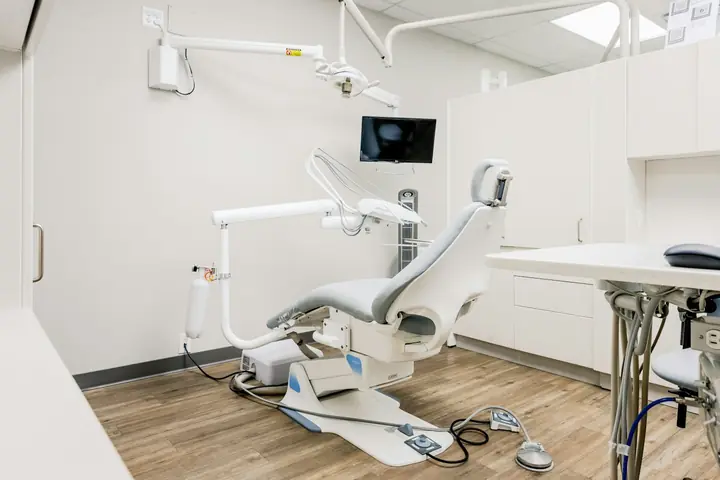
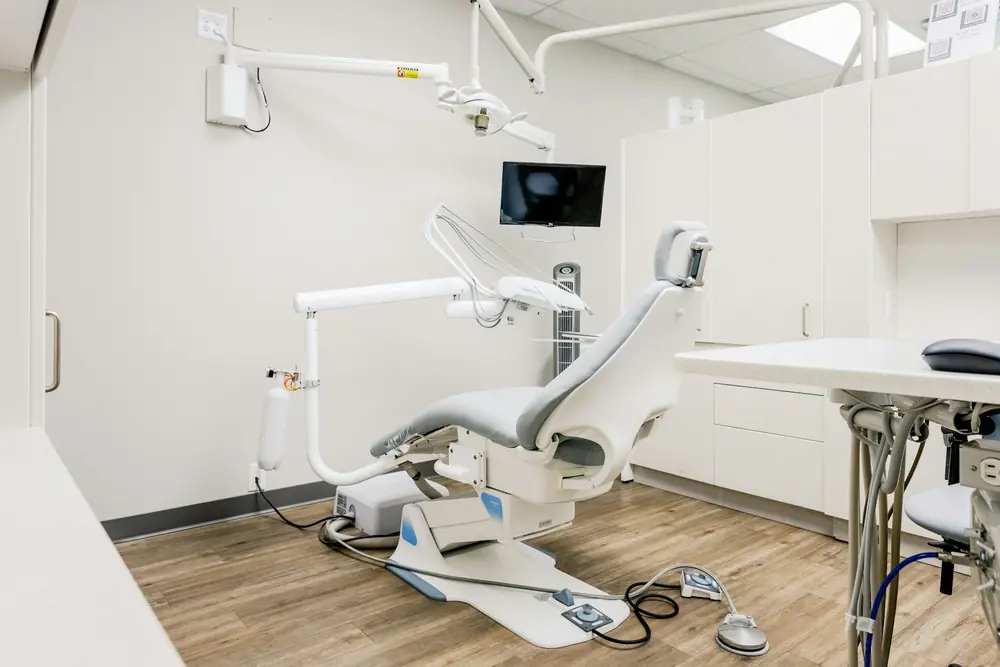
In consult rooms the cleaner usually covers benches, desks, chairs, door handles, hand basins and floors, plus the frames of examination couches if that's agreed. Clinical equipment, instruments and anything in a procedure field stay with your staff.
Write the split into the plan: a short list of what the cleaner cleans in each room, and what staff clean.
Bathrooms
- Toilets, basins, taps and splashbacks cleaned and sanitised every visit.
- Grab rails in accessible bathrooms and baby-change tables.
- Soap, paper towel and toilet paper refilled.
- Floors mopped with a mop kept only for bathrooms.
Staff areas
The staff kitchen and lunchroom need the same attention as any office kitchen: benches, sinks, appliance fronts, tables and bins. General waste and recycling are emptied by the cleaner; clinical waste and sharps are not.
Products, cloths and the order of cleaning
- Clean from the cleanest areas to the dirtiest, and from top to bottom.
- Keep bathroom cloths and mops separate from those used elsewhere. Many clinics use colour-coding to make this easy.
- Where your policy requires disinfection, use products registered for that purpose and follow the label's contact time.
- Change mop water often, and let surfaces dry.
Ask any cleaner you're considering which products they use and whether they match your policy.
Timing
Most clinics are cleaned outside appointment hours, either after the last patient or before the first. Busy practices may also want a short daytime check of the bathrooms and waiting room.
Clinic cleaning near the hospital precincts
Specialist suites and medical centres cluster around Melbourne's major hospitals. There are local pages for clinic cleaning in Parkville, East Melbourne, Heidelberg, Box Hill and Clayton.