In short
- Bathrooms and kitchens set the pace: if they're used every day, they need cleaning every day or close to it.
- Small, quiet offices can often manage with one to three cleans a week.
- Split the plan: busy areas often, desks and detail work less often.
The short answer
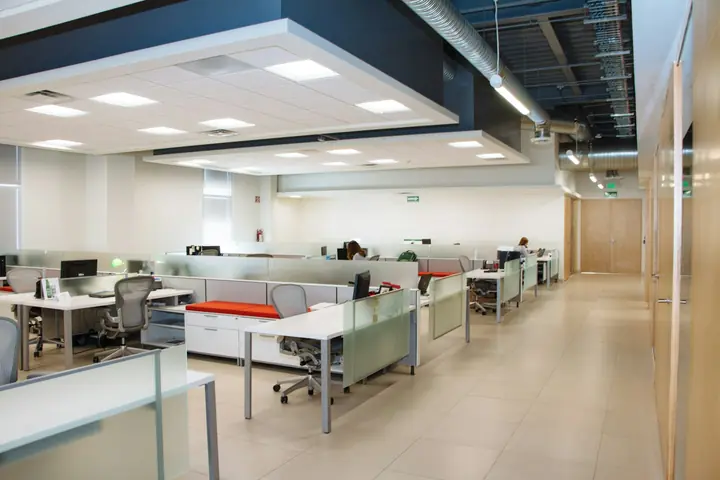
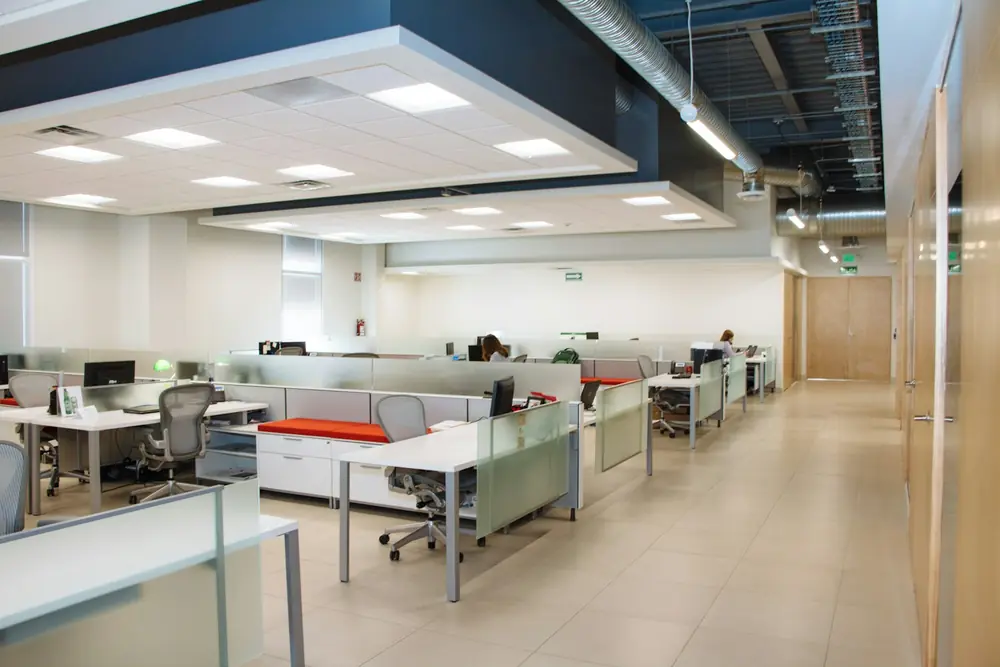
For most offices with a kitchen and shared bathrooms, three to five cleans a week keeps things under control. Very small offices, with a handful of staff and few visitors, can often manage with one to three.
The test is simple: if the bathrooms or kitchen look tired before the next clean is due, you need more visits, or a short visit just for those areas in between.
What decides the right frequency
- Headcount. More people means more use of bathrooms, kitchens and floors.
- Visitors. Clients and customers expect a clean reception and bathroom every time they visit.
- How the kitchen is used. Lunch at desks means crumbs on desks and more bin runs.
- Bathrooms. Count the people sharing each bathroom. Busy shared bathrooms need daily cleaning.
- Floors. Carpet hides dirt longer than hard floors, but grit left in carpet wears it out.
- Days in the office. Hybrid teams may only need cleaning after the busy days.
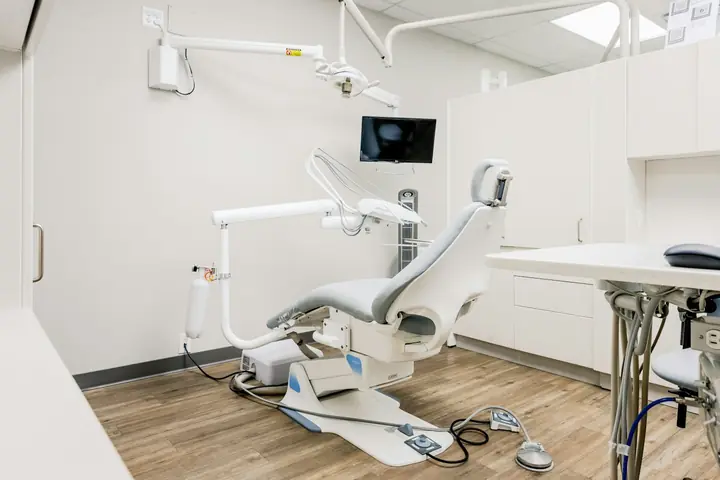
- Industry. Clinics, childcare centres and food businesses need cleaning every day they operate.
A simple guide by office size
| Office | Typical frequency | Focus |
|---|---|---|
| 1–5 people, few visitors | Once or twice a week | Bathroom and kitchen first, then floors. |
| 6–15 people | Two or three times a week | Add a daily bathroom and kitchen check if they're busy. |
| 16–40 people | Three to five times a week | Kitchens, bathrooms and bins every visit; desks weekly. |
| 40+ people, or public-facing | Every working day | Reception and bathrooms may need a check during the day too. |
Hybrid offices: plan cleaning around your busiest days in the office, not the calendar.
Mix frequencies instead of cleaning everything every time
A plan that does everything on every visit wastes money on some areas and still falls behind on others. Split it instead:
- Every visit: bathrooms, kitchen, bins, high-touch points and busy floors.
- Weekly: desks, internal glass, meeting rooms and a full vacuum.
- Monthly: high dusting, inside the fridge, sills and skirting boards.
- A few times a year: carpet steam cleaning, tile and grout, and pressure cleaning.
Our office cleaning checklist has the full list of tasks for each frequency.
Signs you need more, or less, cleaning
More cleaning
- Bins overflowing before the next clean.
- Complaints about the bathrooms, or soap and paper running out.
- A sticky kitchen by the afternoon.
- Dust you can see on desks and sills.
Less cleaning
- The cleaner regularly finds little to do in some areas.
- The office is half-empty most days.
- Some rooms are hardly used, such as storerooms or spare offices.
When to add a deep clean
- After renovations, fit-outs or moving furniture.
- Before an inspection, audit or big client visit.
- After illness has gone through the team.
- When the carpet has grey walkways that vacuuming no longer lifts.