In short
- Nappy-change areas, bathrooms and kitchens need cleaning every day.
- Staff clean as they go during the day; the professional clean resets the whole centre after the children leave.
- Detergent and warm water do most of the work. Disinfectant is kept for specific situations.
Daytime cleaning and the after-hours clean
Educators clean as they go: tables after meals, the nappy-change mat after every change, spills straight away. The NHMRC's Staying Healthy guidelines, the reference most Australian services use, say nappy-change surfaces should be washed with detergent and warm water after each change and at the end of each day.
The after-hours clean covers everything else: floors, bathrooms, the kitchen, touch points, sleep rooms and bins, so the centre starts each morning clean.
Every day
| Area | What the after-hours clean covers |
|---|---|
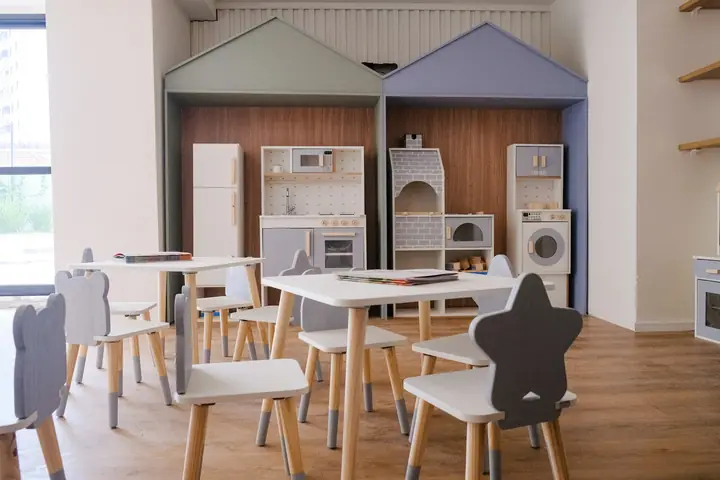
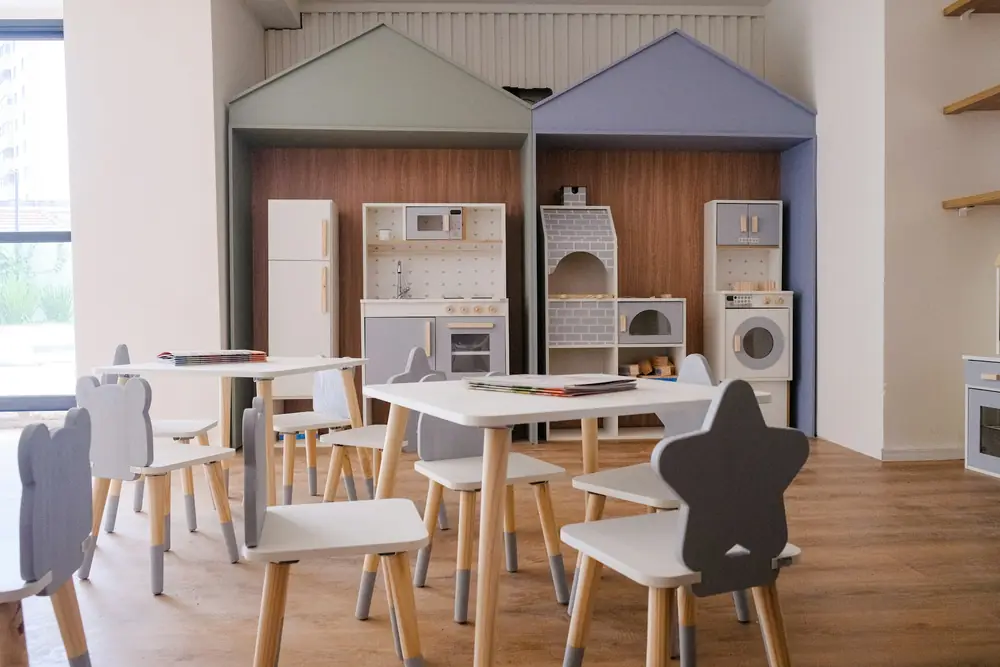
| Playrooms | Tables, chairs and child-height surfaces. Door handles, light switches and cupboard handles. Floors vacuumed and mopped. |
| Nappy-change areas | Change mats and surrounds, taps and basins, bins emptied, floors mopped. |
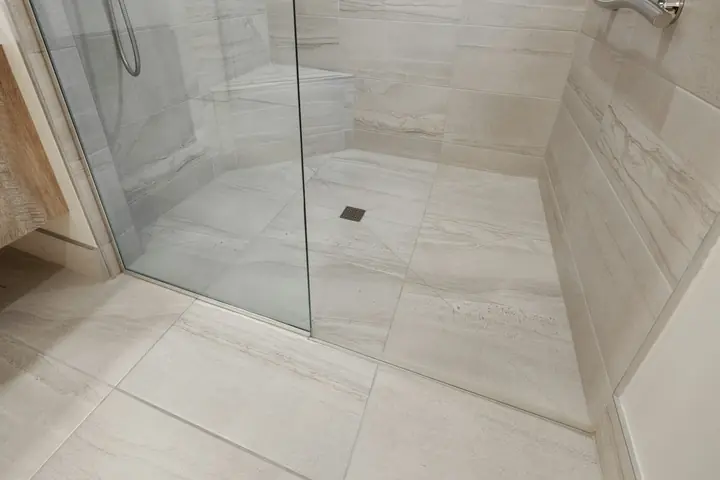
| Bathrooms | Toilets, basins, taps and splashbacks. Low-level mirrors and walls. Floors. |
| Kitchen and meal areas | Benches, sinks, appliance fronts, tables and highchairs, floors. |
| Sleep rooms | Floors and surfaces, with bedding handled as your policy says. |
| Entry and sign-in | Door handles, the child-safe gate, the sign-in screen and entry glass. |
Weekly and monthly
- High dusting of shelves, frames, vents and fans.
- Internal windows and glass doors at child height and above.
- Skirting boards, cupboard fronts and door frames.
- Larger toys and play equipment, if your centre asks the cleaner to include them. Small toys are often washed by staff.
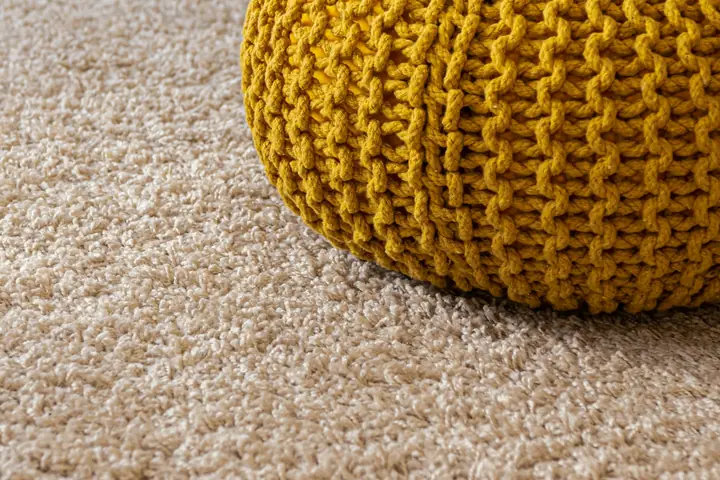
- Carpet steam cleaning of play and rest areas, a few times a year.
- Pressure cleaning of outdoor paths and play areas when they need it.
Cleaning versus disinfecting
Detergent and warm water, with a little scrubbing, remove most germs from surfaces. Staying Healthy says that after a spill of blood, faeces, vomit or urine you should wear gloves, wipe it up with paper towel, then clean the surface with warm water and detergent and let it dry, and that in some cases this is followed by disinfectant. Where disinfectant is needed, it recommends products labelled hospital-grade or similar.
It also advises making up fresh detergent and water every day, so germs don't grow in the container.
Keeping children safe while cleaning
- Clean after the children have gone home wherever possible.
- Store chemicals locked away and out of reach, and never leave buckets unattended.
- Make sure floors are dry before children are back in the room.
- Ask cleaners to hold a current Working with Children Check. Many centres require it.
Getting ready for assessment
Cleaning links to the National Quality Standard, particularly Quality Area 2 (children's health and safety) and Quality Area 3 (physical environment). A written cleaning plan and a simple log of what was cleaned and when make it easy to show how hygiene is managed.